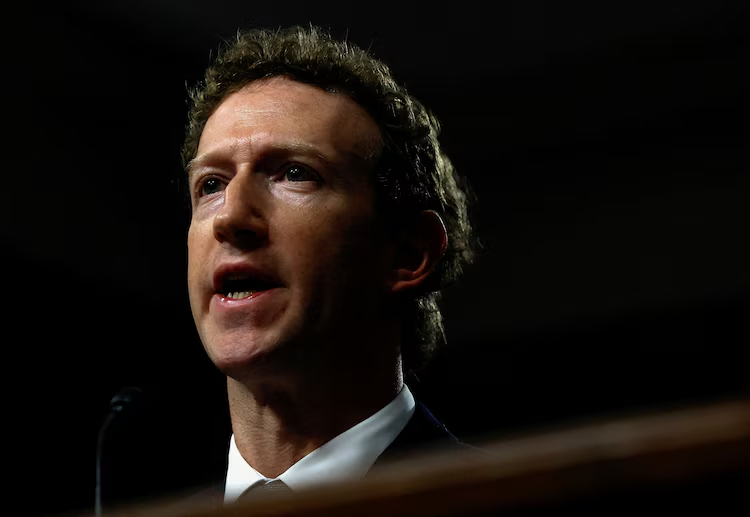
In a major courtroom showdown on February 18, 2026, Meta CEO Mark Zuckerberg took the stand in Los Angeles. This landmark trial is the first of its kind to be heard by a jury. It seeks to determine if social media giants like Instagram and YouTube are “defective products” designed to addict children.
The plaintiff, a 20-year-old woman identified as “Kaley G.M.,” alleges her life was derailed by platform features. Her lawyers argue that tools like infinite scroll and auto-play function like “digital casinos.” Kaley claims these features hooked her at age six, eventually leading to severe anxiety and depression.
Mark Zuckerberg social media addiction
The “Value” vs. “Addiction” Debate During eight hours of intense questioning, Zuckerberg was forced to defend Meta’s internal metrics. Attorney Mark Lanier presented documents showing that 11-year-olds were four times more likely to stay on Facebook than adults. Another 2022 internal memo projected daily use would rise to 46 minutes by 2026.
Zuckerberg pushed back, calling “time spent” a proxy for user value rather than a goal for addiction. “If something is valuable, people will use it more,” he testified. However, he admitted that enforcing age limits on Instagram remains “complicated.” Current estimates suggest over 4 million underage users remain on the platform in the U.S. alone.
The Battle Over “Beauty Filters” A significant portion of the testimony focused on Instagram’s cosmetic filters. Lanier accused Zuckerberg of ignoring 18 experts who warned these filters harm teen body image. Zuckerberg defended the decision to keep them, citing “free expression.”
“I genuinely want to err on the side of giving people the ability to express themselves,” he stated. Meta maintains that Kaley’s mental health struggles were tied to a “turbulent home life” rather than app design.
Why This Trial Matters This is a bellwether case for over 1,600 similar lawsuits nationwide. While platforms like TikTok and Snapchat settled with Kaley last month, Meta and Google are fighting to the end. The verdict could reshape how the tech industry is held liable for product safety.